
Guide
FOR YOUR PRACTICE · 14 MIN READ
CHOOSE A CAUSE LIKE YOU'D CHOOSE A CLIENT
Carefully, for the long term, and because it fits the work you want to be known for. How to find a giving partner that your team, your clients and your marketing can all get behind.
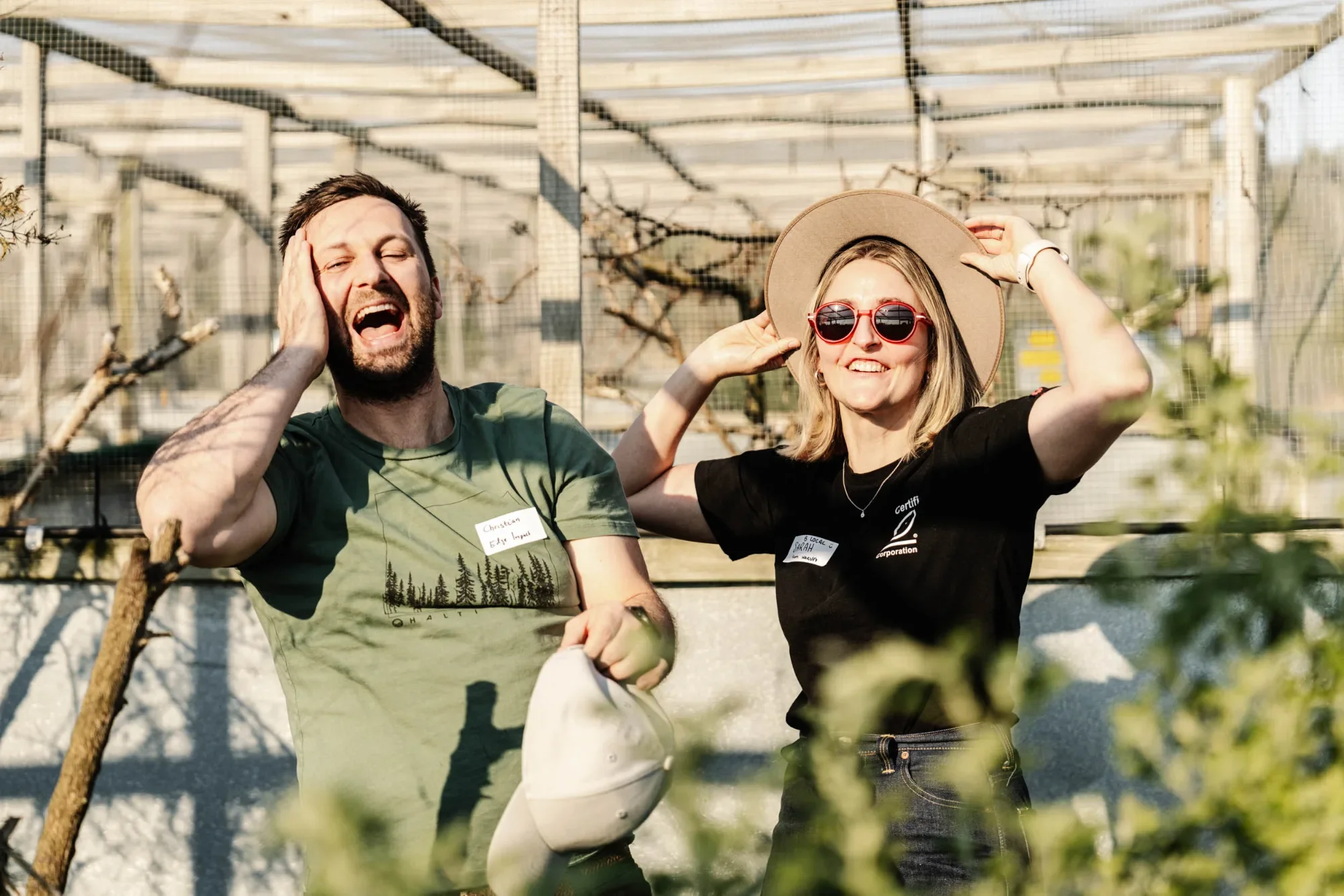
I've been a member of 1% for the Planet since 2018. If you haven't come across it, member businesses commit 1% of their annual revenue to approved environmental organisations, and that giving is checked every year. Anyone can say they give back, but a certification means someone has actually looked at the receipts, which is about the best defence against greenwashing I know of. So that's what I chose to commit to.
I chose environmental causes because nature is what I care about most (my first career was in environmental science, so that probably isn't a surprise). It's also chronically underfunded. Australians give around $14 billion a year to charities, and only about $300 million of that, roughly 2%, goes to environmental charities (those are the charity regulator's own figures). Which is pretty wild when you think about where most of our best memories happen – the camping trip, the beach with the kids, the bush walk that ended up as your screen saver.
But for years my giving was scattergun. Money to a different organisation each year, a free shoot for another, and running a pro bono program that meant I worked with whoever happened to apply. Every one of those organisations was doing worthwhile work in its own way, and I felt reasonably good about all of it. But because I donated to, or worked with several new non-profits each year, I never felt truly invested in any of them.
What I give has changed a lot since then, and it will probably change again. That's fine. What changed most was the thinking behind it – who to give to, how to give, and how to make it part of the business instead of something that happened on the side.
01 Start with who
Most people start with how much and in what form. I'd start with who, because it decides almost everything else. The most useful thing you can give is whatever that organisation is short of, and you can't know that until you've chosen one and asked them.
If you're trying to work out which cause or partner fits your business, here are three ways to find the link. Choose whichever feels like the most natural fit for your business. If a client can see straight away why a plumber backs a frog group, the giving reads as part of who you are, instead of a random donation.
By what you do. Every business has something its work affects, whether that's a material, a community or a patch of ground – and the most natural partner is often the organisation working on the other side of that. My examples lean towards nature, because that's my bias, but the same logic works for any cause. If you're a plumber and spend your days in trenches, drains and stormwater – which is a lot of the same wet ground frogs depend on, so a frog conservation or wetland group might make sense. If you're an arborist, some of your work means taking out trees that wildlife were living in, so backing a group that puts habitat back, through replanting or nest boxes, is an easy dot to connect. And if you're a builder who cares about circularity and cutting waste, a not-for-profit working on reuse and materials recovery fits the way you already talk about your work.
By where you work. Giving goes further when it's in the places you build, because you already understand the problem, you can see the result, and so can your clients. If you work in flood-prone areas, that might be a wetland restoration project. If you design along the coast, there's probably a Landcare group revegetating the same dunes your clients look out at. Or it can be very close to home. If your studio is in Melbourne's north-east, the endangered Eltham Copper butterfly lives a few suburbs away, and there are local friends groups looking after what's left of its habitat.
By project. Or, instead of either of those, you can tie your giving to the projects themselves, so every job you deliver carries its own contribution. Wilderlands is a neat example, and it isn't a donation to a group at all. It sells Biodiversity Units by the square metre, each one permanently protecting a patch of habitat with an on-title conservation covenant and 20 years of management funding, so you could protect an area the same size as a building's site, or its floor area, and match each project's footprint with land that's protected for good. On a Green Star project it can also count towards the Nature Stewardship credit, so the thing you were going to do anyway earns points as well. Wild Houses runs on the same per-project idea, with one house for wildlife funded for every project you deliver (it's the one I run, so take the enthusiasm accordingly).
If your business runs on a steady stream of similar projects, this can be the simplest link of the three.
There are two good tests. Could you explain the connection to a client in one sentence? And does it light you up? You'll be talking about it for years, so it has to be something you care about, and a cause that's connected to the work you already do is much more likely to get you there than one that isn't.
02 From donation to partnership
The biggest shift for me was going from giving to lots of different organisations to working properly with one.
A one-off donation is a transaction. A long-term partnership with one organisation that fits your business is a relationship, and it opens up far more than a cheque ever will. Once you know each other, the question stops being what you can give and starts being what you could do together. That might be an event you co-host for your clients, a site visit for your team, a talk at your office, photographs of their work that you can both use, an introduction to their funders or their board, or a small building you design for them at cost. And once you've done something together, your platform becomes part of what you give. Their story reaches your clients, and yours reaches their supporters.
“A one-off donation is a transaction.”
It's better for them, too. A small organisation that knows you'll be back next year can plan around you, instead of chasing the same money again every twelve months. And they get to know your business well enough to ask for the thing you're actually good at.
For you, it becomes part of your brand in a way scattered giving never can. One clear partnership is a story you can tell consistently for years – on your website, in proposals, in award entries, on social and in a talk. You borrow a little of their credibility, and they borrow a little of your reach. Clients and staff start to associate you with it. It leads to introductions and partnerships you wouldn't otherwise have had, and in my case it eventually led to a whole new venture (more on that below).
What I'd look for is an organisation whose work overlaps with yours, small enough that you'll make a real difference and established enough to still be around in five years, and made up of people you'd happily have a coffee with. Then commit to a few years rather than one.
03 There are four ways to give
Once you know who, the how gets much easier. Cash, your time, your skills, or your goods and space. All four count, and most partnerships end up with a mix that shifts as the business does.
Cash is quick but expensive. It's the easiest to organise (one transfer and you're done) and the most useful to the people receiving it, because they can spend it on the unglamorous things nobody else wants to fund, like fuel for the ute, insurance or a coordinator's wages. It also comes straight off your bottom line, which is why it's usually the first thing to be cut when a year gets tight. If the organisation has deductible gift recipient (DGR) status the donation is generally tax deductible, which softens it a bit.
Cash is useful, but on its own it can keep you at arm's length. You transfer the money, get a thank-you email, and that's often where it ends. What you miss is the connection, the people, and a deeper relationship with a cause you believe in, which is where most of the value sits for your business and, often, for them.
Time and skills both cost you hours, so it's worth being clear about the difference between them.
Time is unskilled labour, and I mean that kindly. Planting days, weeding, a working bee, pulling out an old fence. Anyone can do it with a pair of gloves and a ten-minute briefing, which is exactly what makes it good for a team day, because everyone can join in and see where it all ends up. The catch is that volunteers take supervising, and a small non-profit running on nothing may not have anyone spare to do it. Ask them if that’s the most useful before you book the minibus.
Skills is skilled labour, given pro bono. Most people can plant a tree, but not everyone can run a feasibility study, draw up a revegetation plan, design a visitor centre or give legal advice on a land covenant. For me it's been photography for environmental organisations that would never have had the budget for it (one of my favourites was photographing a wildlife sanctuary in Sydney, so they'd have images to raise more funds and promote the work they do). Skilled work is usually the thing a small environmental organisation is shortest of, because it's the thing they'd otherwise have to pay a professional rate for, and they may not be able to afford it.


You can see the difference in how 1% for the Planet counts them. Volunteer time is valued at a set hourly rate (or your average staff wage), while pro bono work is valued at your normal billable rate. The same eight hours can be worth quite different amounts, which tells you something about what each is worth to the people receiving it.
So before the next planting day goes in the calendar, it's worth asking whether the same hours would do more as a day of your actual expertise. Often they would. I'd never talk anyone out of a planting day, but a landscape architect who spends that day on a revegetation plan will probably shape where thousands of seedlings go, not just the hundred they'd have put in themselves. Treat it like a real job, with a brief and a finish date, so both sides know what's being delivered and when.
Goods and space is what you have, as opposed to what you do. If you make or supply something, this can be the most valuable of the four, but only if it's something they need. Nobody needs a pallet of the wrong tiles. Recycled timber for a bird hide, insulation for a field station or tubestock for a revegetation site are probably all useful. It also covers what you can lend, like your meeting room for their board meeting, your studio for a fundraiser, or a ute and trailer for a planting weekend.
TOMS made this giving concept famous. For years, every pair of shoes it sold meant a pair given to a child who needed them, close to 100 million pairs by 2019, and the giving became the brand. It's also a useful warning. The model was criticised for undercutting local shoemakers and missing the bigger problems in those communities, and in 2019 TOMS moved to giving a third of its profits instead. The marketing worked beautifully. The lesson is to make sure the thing you give is the thing they actually need.
1% for the Planet has also recently changed its rules on the mix. It used to require at least half of a member's 1% to be given as cash, with the rest allowed in kind. Now members can make it up from whatever combination suits. I think that's the right call. It moves the question from what counts to what the organisation actually needs, and sometimes the answer is a week of your expertise rather than a cheque.
04 Choosing how to give
Here's how the four compare.
WHAT IT COSTS YOU
WHAT IT'S WORTH TO THEM
WHAT IT DOES FOR YOU
WORKS BEST WHEN
Cash
Money off the bottom line
The most flexible thing you can give. It goes wherever the gap is
The least. Often a receipt and a thank-you email
You're short on time, and they know exactly where the money should go
Time
A day of your team's paid time
Useful, if they can spare someone to supervise
A day your whole team remembers
Getting everyone out together is part of the point
Skills
Billable hours
Often the highest. Work they'd otherwise pay for, or go without
The deepest relationship, and a story you can tell for years
Your expertise is the thing they're missing
Goods and space
Stock at cost, or the use of your office, vehicles or equipment
High if they need it, nothing if they don't
A visible link between what you make and what you care about
You have something they'd otherwise have to buy or hire
Cash
What it costs you: Money off the bottom line
What it's worth to them: The most flexible thing you can give. It goes wherever the gap is
What it does for you: The least. Often a receipt and a thank-you email
Works best when: You're short on time, and they know exactly where the money should go
Time
What it costs you: A day of your team's paid time
What it's worth to them: Useful, if they can spare someone to supervise
What it does for you: A day your whole team remembers
Works best when: Getting everyone out together is part of the point
Skills
What it costs you: Billable hours
What it's worth to them: Often the highest. Work they'd otherwise pay for, or go without
What it does for you: The deepest relationship, and a story you can tell for years
Works best when: Your expertise is the thing they're missing
Goods and space
What it costs you: Stock at cost, or the use of your office, vehicles or equipment
What it's worth to them: High if they need it, nothing if they don't
What it does for you: A visible link between what you make and what you care about
Works best when: You have something they'd otherwise have to buy or hire
Start with what your partner is short on, which they'll tell you if you ask, and then what you're short on, money or time. Where those two overlap is where to start. If you're short on time but not money, cash. If you have expertise they couldn't otherwise afford, skills. If you make something they'd otherwise have to buy, or have a space they could use, goods and space. And if part of the point is getting your team out of the office, time, ideally alongside one of the others.
None of it is fixed. A lean year might be all time and skills, and a good one might be mostly cash. What matters is that you chose it rather than drifted into it.
05 Write it down
Once you know who and how, put it in writing. I did this when I first certified as a B Corp, and having a simple giving policy made it much clearer to me what I was actually committing to. It doesn't need to be long. Who you support and why, what you give, roughly how much, and who in the business looks after it. It gives your team something to point to when a request comes in, and gives you something to report against at the end of the year.
The other thing I've learned is that it's way easier to track as you go. Set up a simple spreadsheet and record each contribution at the time you make it, whether that's money, time, skills or goods, with the date, who it went to and what it was worth. For in-kind work, I send a $0 invoice that shows the full value of the work. It's my proof for 1% for the Planet, it's a record for my own books, and it means the organisation knows what the work was actually worth. Doing that through the year makes the end-of-year reporting easy, and gives you real numbers you can use in your marketing, too.
If skills are a big part of what you give, you could go a step further and run your own pro bono program. I did this for a while. You set aside a certain amount of team time each year, say what kind of work you'll take on, and invite organisations to apply. It's a good way to let people know you offer it, and it means pro bono work gets assigned and scheduled like any other job. It does come with its own challenges, like being limited to whoever happens to apply and keeping each project to its agreed scope, so it suits a business that can protect that time properly.
06 Make it part of the business
Once you have a partner, it starts working for the business as well as the cause.
Your team can explain it succinctly, and if they've been out on a planting day or worked on a pro bono project for it, they'll explain it with some enthusiasm. It gives them a reason to be proud of where they work, and something to talk about when they're asked what the business stands for.
Your clients can be part of it, too. You might add a line to your fee proposal that shows what their project will fund, invite them to a planting day at handover, or send them a note at the end of the job with what their project contributed. It gives them one more reason to feel good about choosing you, and gives you something better to talk about at the site meeting than just the budget.
And it's something to put your name to. Construction hoarding is a very large, very blank advertisement you're already paying for. Put what the project has funded or protected on it, in front of everyone who walks past for the duration of the construction. Then at the end of the year, it goes into your reporting, whether that's an impact report, your ESG reporting or a page on your website, backed by the numbers you've been tracking as you go.
07 It might change how you work
Give it long enough and it can change the business itself. It did with mine.
I started with cash, scattered across whatever landed in my inbox that year. Then I pointed it at one organisation I cared about, the Odonata Foundation, who look after threatened species at Mt Rothwell, about an hour from Melbourne. The cash turned into photography, the photography turned into pro bono time, and eventually we built a program together and ran a pilot program, with a group of businesses working out over a few months what biodiversity had to do with them (and a visit to the sanctuary near the end).
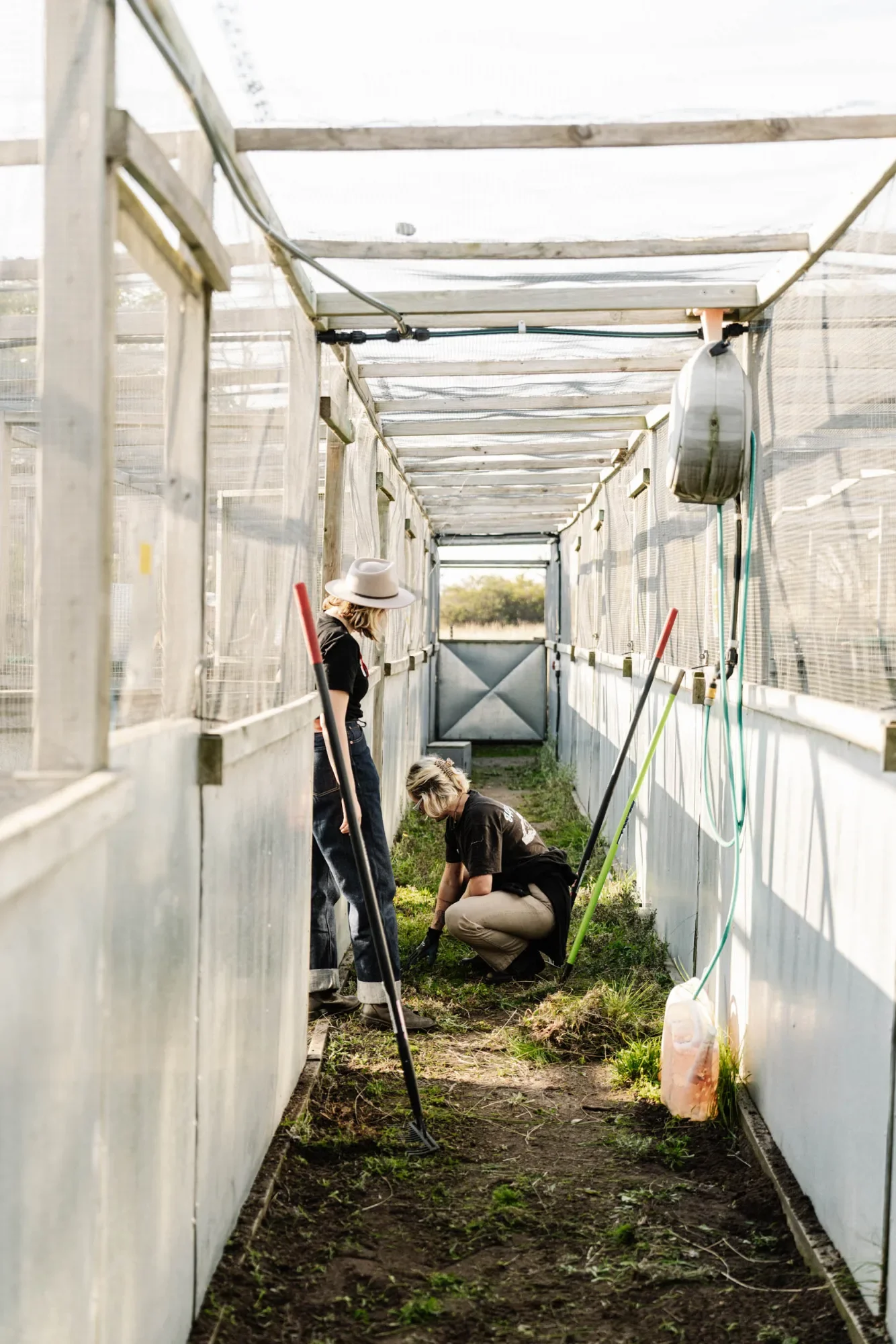

Then it changed again, when I started Wild Houses. It's a one-to-one pledge for the built environment industry, where businesses fund one house for wildlife for every project they deliver, and local conservation groups put the nest boxes up for animals that have lost their tree hollows. It talks to exactly the same people I photograph for, so it's relevant to every part of my business, but it's purely philanthropic and doesn't earn anything. Most of my giving now is time and energy on that rather than cash.
I wouldn't have predicted any of it from where I started, sending money to a different organisation each year and never feeling invested in any of them. Once I chose something connected to the work I already do, and stuck with it, giving stopped being something that happened on the side of the business. It became part of how I run it, and part of how people know me.
Keep reading
Guide
The habitat list: what to design in, and what to design out
A 10-star home can still clear every bit of habitat on its site.
Checklist
The switch list: what my business runs on
Every business you pay is part of your supply chain, from the bank to the toilet paper. These are the ones mine runs on.
Guide
Choose a cause like you'd choose a client
Carefully, for the long term, and because it fits the work you want to be known for. How to find a giving partner that your team, your clients and your marketing can all get behind.
Checklist
Your biodiversity baseline
One page, seven areas, about five minutes. It shows where your practice sits on nature today, so next year you can tell whether it moved.
NEWSLETTER
JOIN 1,000+ BUILT ENVIRONMENT BUSINESSES
Creating a Regenerative Future.
Three Neat Things, every two weeks - running a business with impact, weaving nature into
projects, and designing places that restore. Quick to read, unapologetically focused on impact.
Plus 30% off your first print when you join.