
Checklist
FOR YOUR PRACTICE · 4 MIN READ
YOUR BIODIVERSITY BASELINE
One page, seven areas, about five minutes. It shows where your practice sits on nature today, so next year you can tell whether it moved.
You can't tell whether you're improving if you never wrote down where you started.
Most of us have carbon numbers now, or at least know we're supposed to. Nature tends to get paragraphs instead (committed to, prioritised, embedded), and none of that can be checked a year later, including by you.
So I made a sheet. It's one page covering seven areas of a business, and you tick where you actually sit in each. I first built it for a workshop, and it takes about five minutes.
01 How to use it
Each area has five boxes, running from not started at the top to measured and reported at the bottom. Tick the one closest to where you are now, not where you'd like to be.
It isn't a test, and nobody sees it but you. Don't be surprised if most of your ticks land in the first two boxes. These are seven quite different things, and it would be unusual to be at the same point in all of them, even if you're doing excellent work somewhere else.
What you're looking for is direction. Over a few years you want the ticks moving down the list, and the sheet shows that in a way a paragraph about your values never will. It also drops straight into an impact report or an annual sustainability review, if you do one.
02 The seven areas, and where to start on each
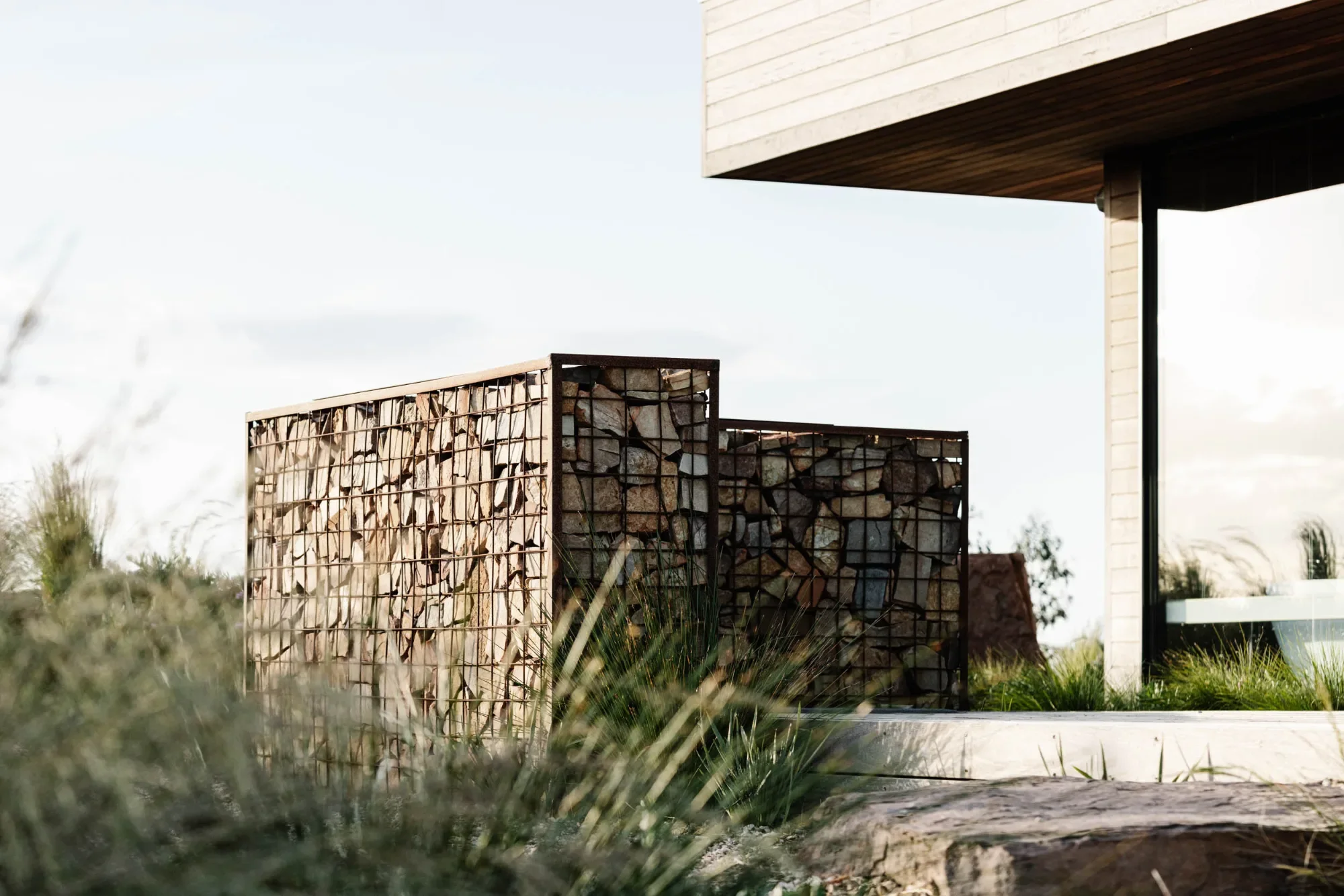
Projects you design. Whether biodiversity comes up with your clients at all, and whether it makes it into the brief and the specification. For a design practice this is usually the biggest lever, and it's what The habitat list is all about, from finding out what already lives on a site to writing habitat into the spec.
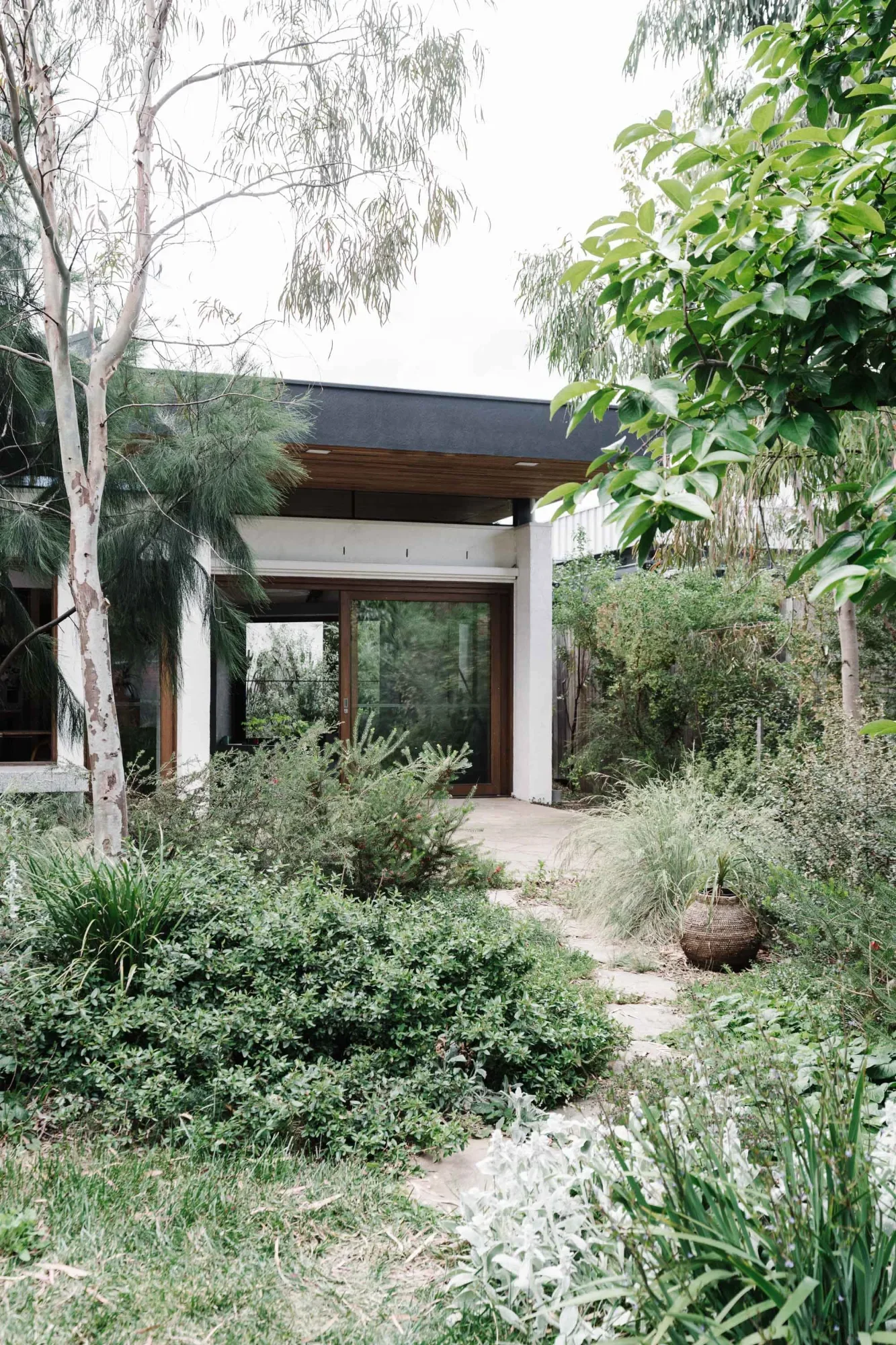
Land and spaces you manage. An office, a verge, a courtyard, a few pots by the door. Whatever physical footprint the business has, and whether any of it is doing anything for wildlife. Swapping exotic plants for local indigenous ones is the easiest start, and the habitat list has a link to a map of indigenous nurseries.
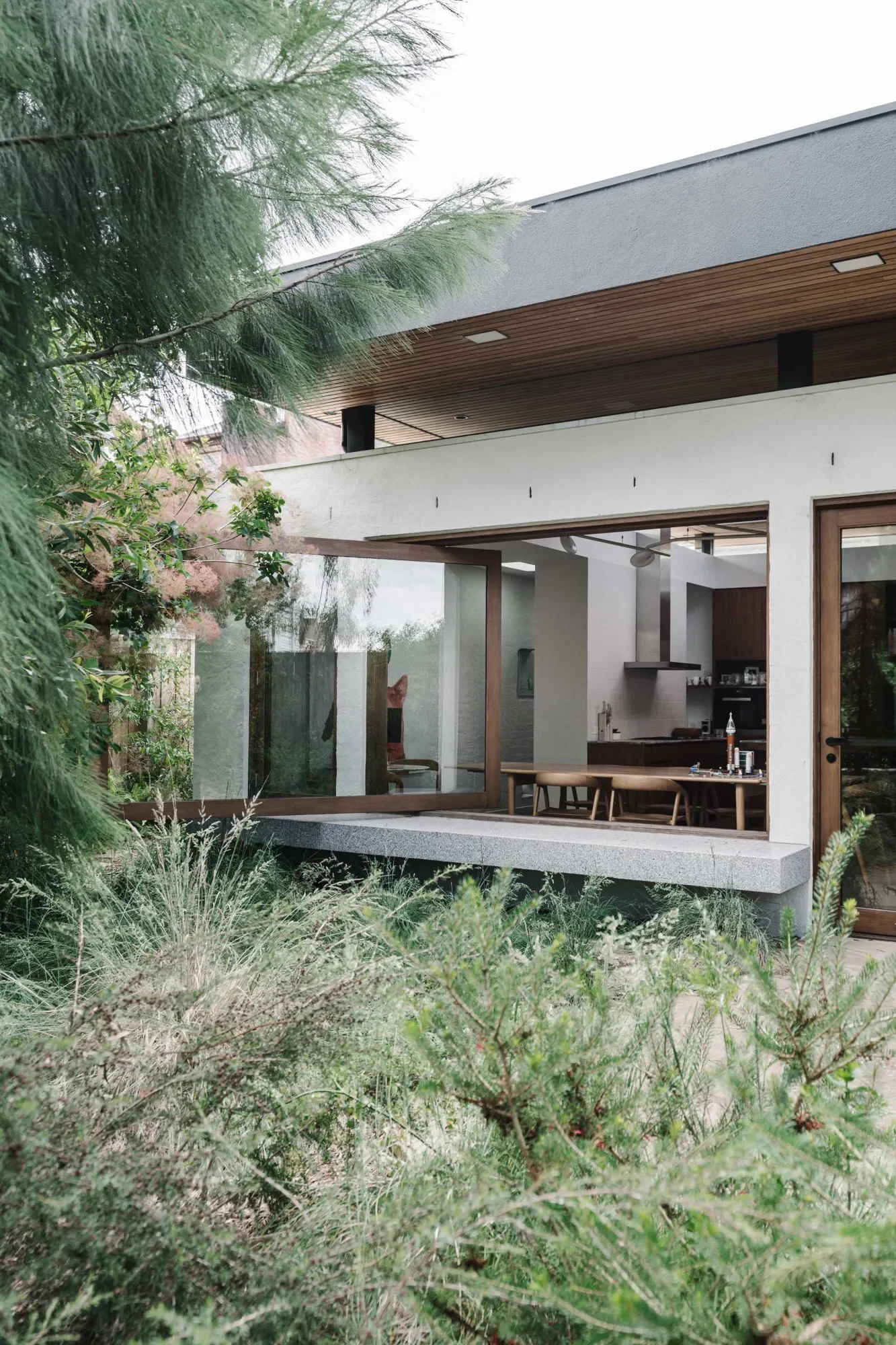
Products, materials and supply chain. What you buy to run the business and what you specify, and whether anyone has looked at where it came from. The switch list has the suppliers my business runs on, and what switching to them involved.
Finance and investment. Your bank and your super, and whether either was chosen on purpose. That's in the switch list too. And if you buy carbon credits, it's worth choosing projects that restore habitat as well as cutting emissions.
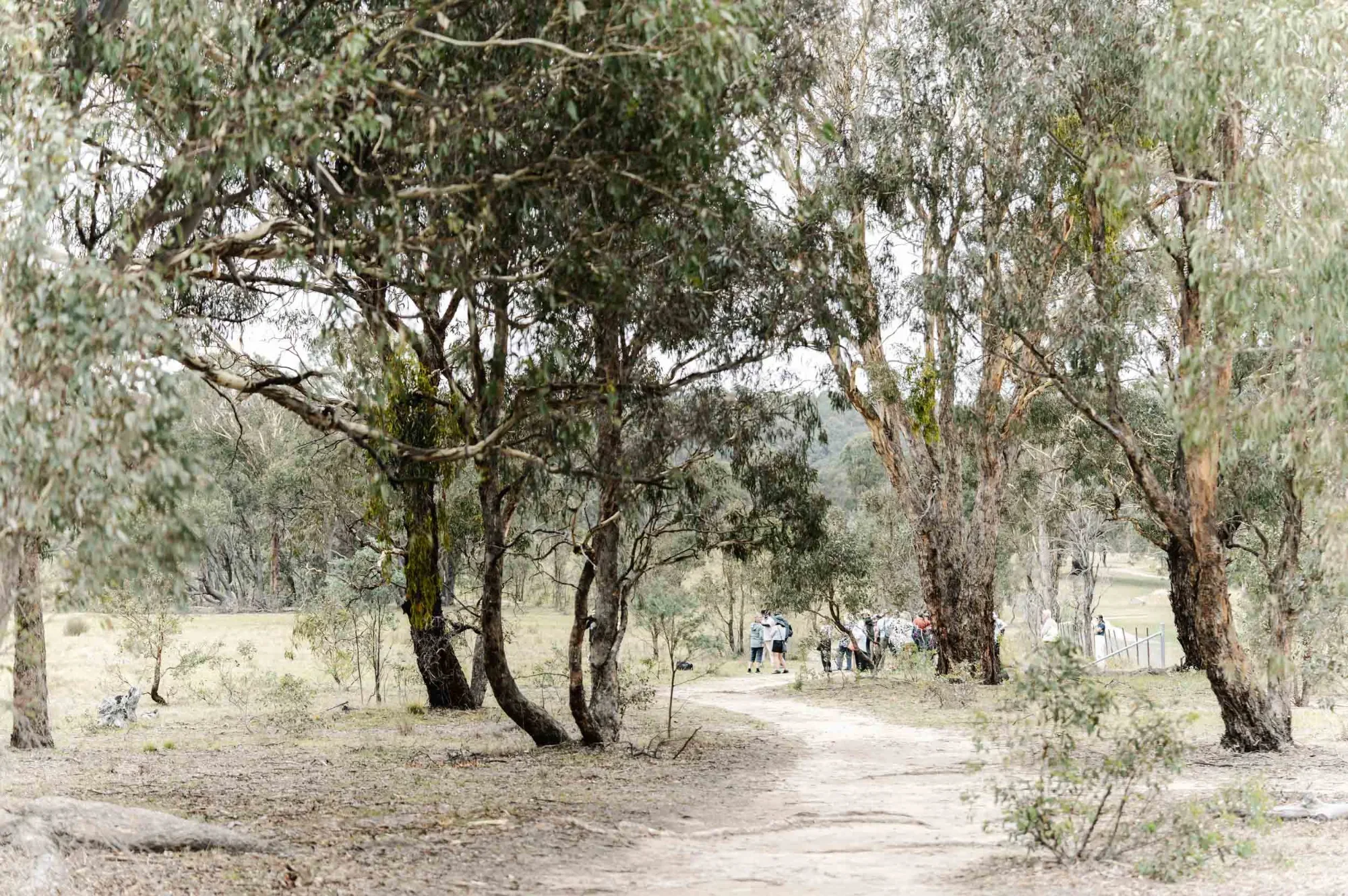
People and culture. Whether anyone in the business spends time in nature as part of the job, or whether it only exists in the drawings. A walking meeting, a site visit with an ecologist or time on Country with Traditional Owners are all good places to start.
Governance and reporting. Whether biodiversity shows up in how decisions get made, or gets argued from scratch on every project. In a small practice, it can be as simple as one person whose job is to ask "what's the outcome for nature?" on every project, and a line about it in your project checklist.
Giving back. Nothing, the odd donation, or something ongoing with a number attached to it. Choose a cause like you'd choose a client covers how to pick a partner and what to give.
03 Then choose one thing
Once the sheet is filled in, the useful move isn't to fix all seven.
Choose the row that matters most to your practice, and find one concrete action inside it that you could realistically start in the next six to twelve months. Write down who's responsible, when it starts, and how you'll know it worked.
A good goal is specific and visible, and easy to celebrate when it's done. Turn the unused verge beside the office into an indigenous pollinator garden by winter. That sort of thing.
Then put the sheet in a drawer, and do it again next year.

I'd rather you had the sheet than not, so it's yours. Fill it in, keep it, and see what's moved in twelve months.
Keep reading
Guide
The habitat list: what to design in, and what to design out
A 10-star home can still clear every bit of habitat on its site.
Checklist
The switch list: what my business runs on
Every business you pay is part of your supply chain, from the bank to the toilet paper. These are the ones mine runs on.
Guide
Choose a cause like you'd choose a client
Carefully, for the long term, and because it fits the work you want to be known for. How to find a giving partner that your team, your clients and your marketing can all get behind.
Checklist
Your biodiversity baseline
One page, seven areas, about five minutes. It shows where your practice sits on nature today, so next year you can tell whether it moved.
NEWSLETTER
JOIN 1,000+ BUILT ENVIRONMENT BUSINESSES
Creating a Regenerative Future.
Three Neat Things, every two weeks - running a business with impact, weaving nature into
projects, and designing places that restore. Quick to read, unapologetically focused on impact.
Plus 30% off your first print when you join.