
Article
FOR YOUR PROJECT · 5 MIN READ
WHY I ONLY WORK WITH A STYLIST
Every room gets its good light once a day, and the stylist has the next one ready for it. What they bring, and how the cost is shared.
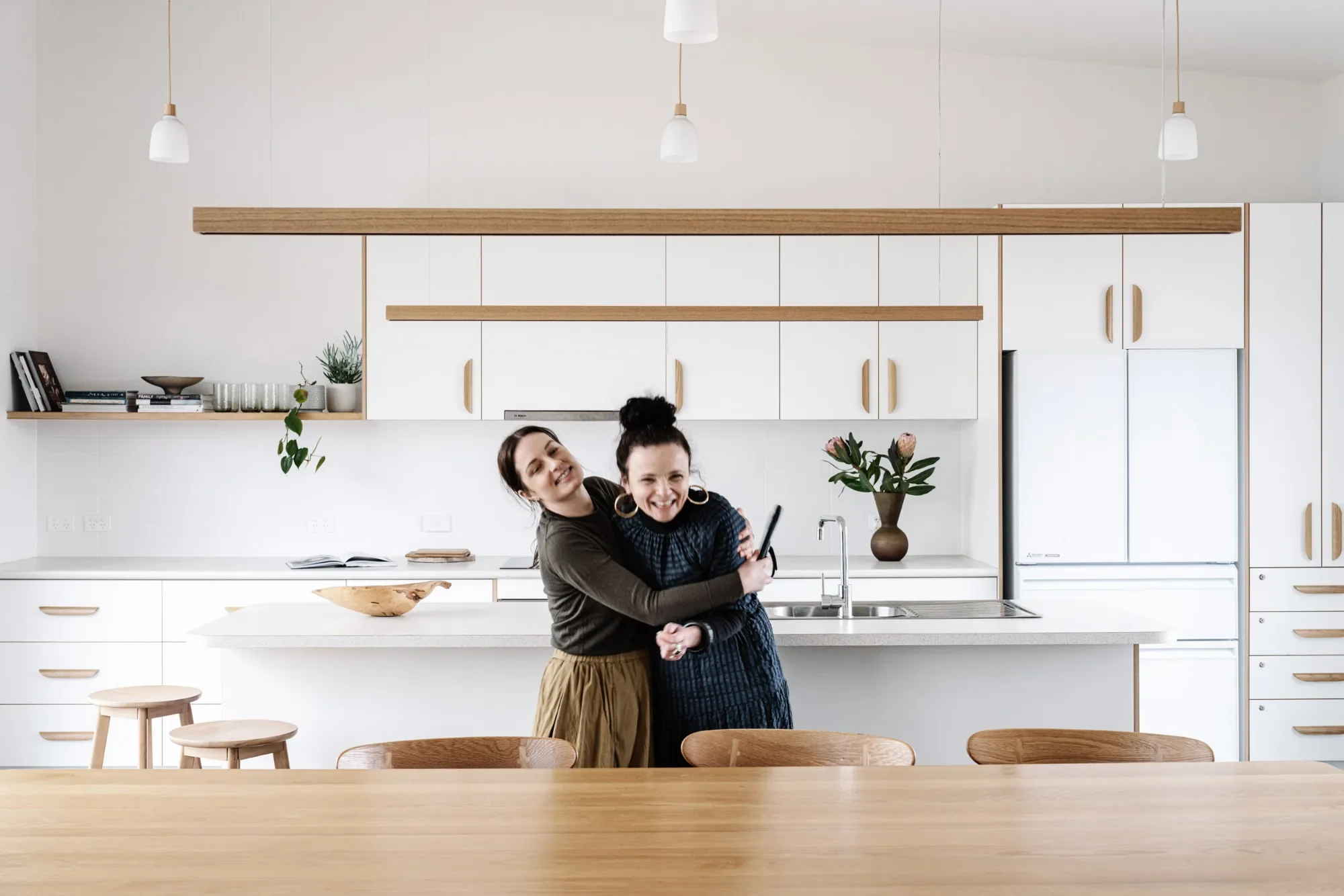
Two things I often hear before a shoot.
“We don't really need a stylist. The place is tidy, the furniture looks good.”
And: “The budget won't stretch to a stylist.”
Both are fair. I still book one every time. Here's why I find them so invaluable.
01 The day runs on light
Every room gets its good light once a day. The east-facing rooms in the morning, the west-facing rooms late in the afternoon. Miss that window and it's gone until tomorrow, and there is no tomorrow in the budget.
So the real constraint on a shoot day isn't taste. It's whether the next room is ready when the light gets to it. A stylist works a room ahead of me. I photograph one space while they prepare the next, and the day stays on the light instead of chasing it.
Without one, I'm the person putting away the kids' clutter, clearing the benchtop and doing something about the hot pink doona, in the exact window I should have been shooting the living room.
02 A tidy house is a baseline, not a shot
When the house already looks good, the stylist has less to do. That's true, and it's a good thing – it means the day moves faster and the props budget goes further.
But less to do isn't nothing to do. They're still pulling things out of frame, still moving furniture a few centimetres so the lines resolve, still prepping each room ahead of the light. And they see what nobody living in the house can. When someone has lived with the charging cable and the dish rack for two years, those things have stopped being clutter and started being furniture. A stylist walks in having never seen the place before.
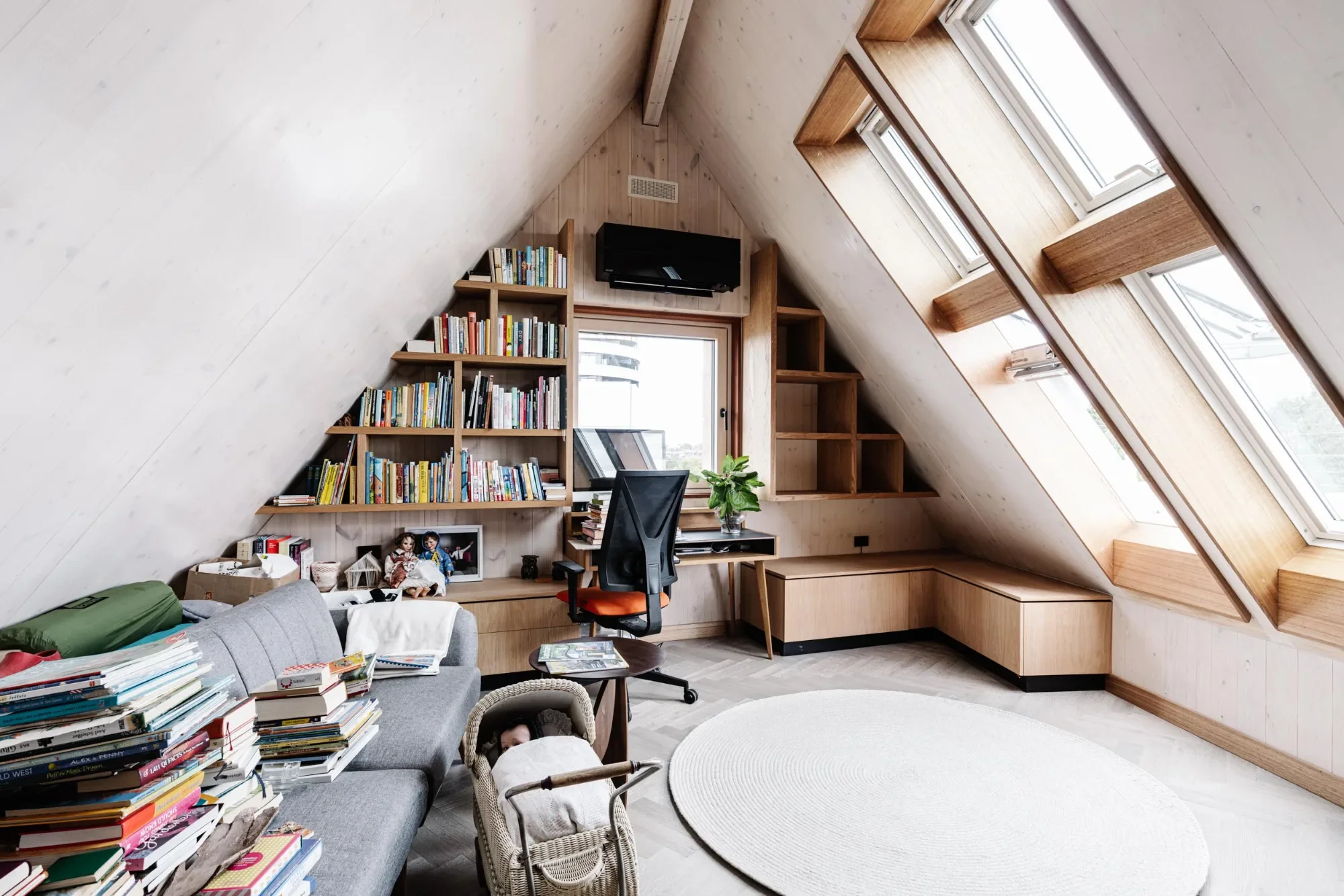
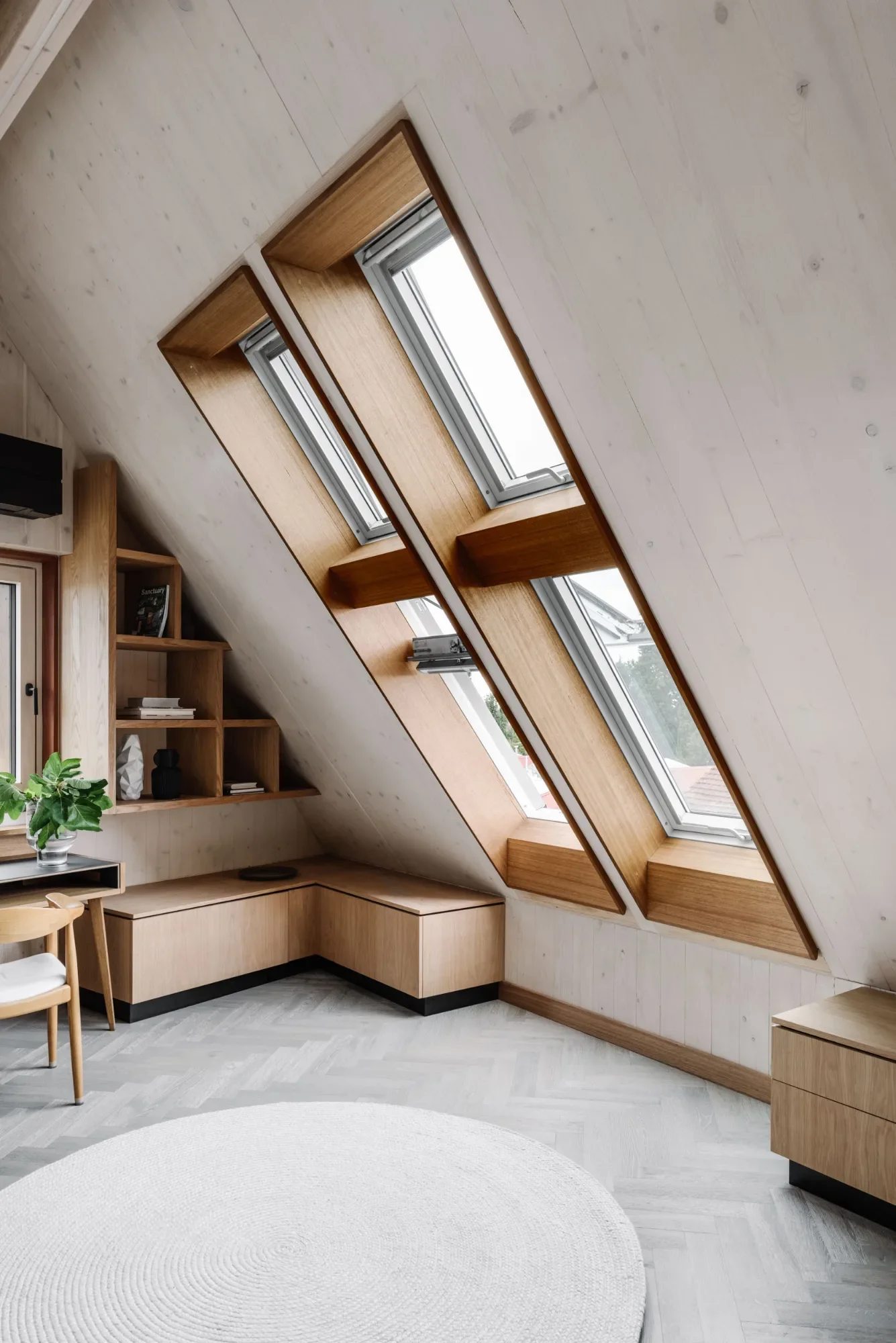
I've never shot a job where the styling didn't lift it. Including the ones that started out looking great.
“I've never shot a job where the styling didn't lift it.”
03 What a stylist actually does
Three things.
They bring items the house doesn't have. They know what to add and what to take away to get the mood right. And they have the eye to see what's already in your client's own collections – the beautiful bowl on the top shelf, the striped wool blanket in the back of the linen cupboard – and put it to work.
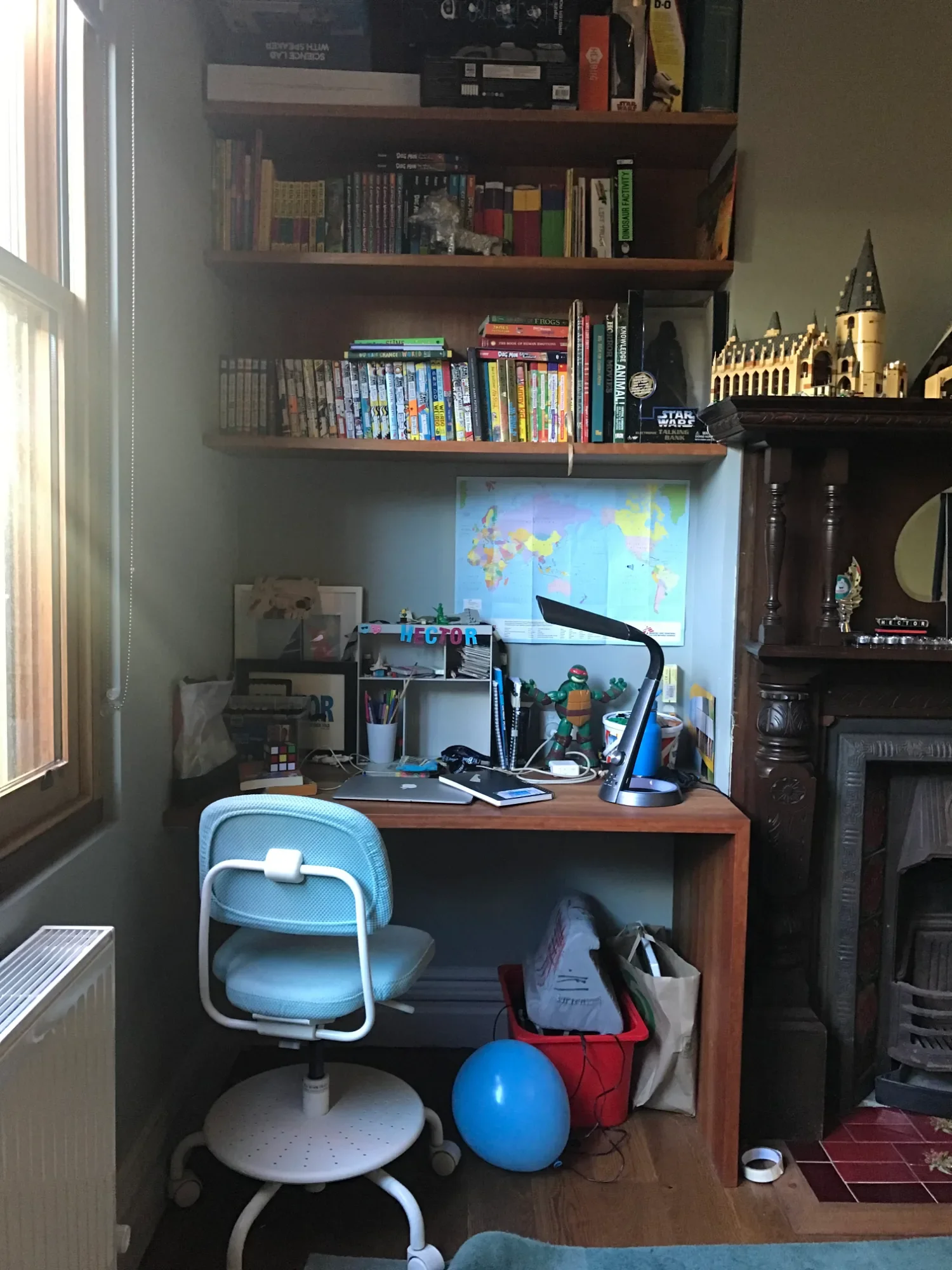
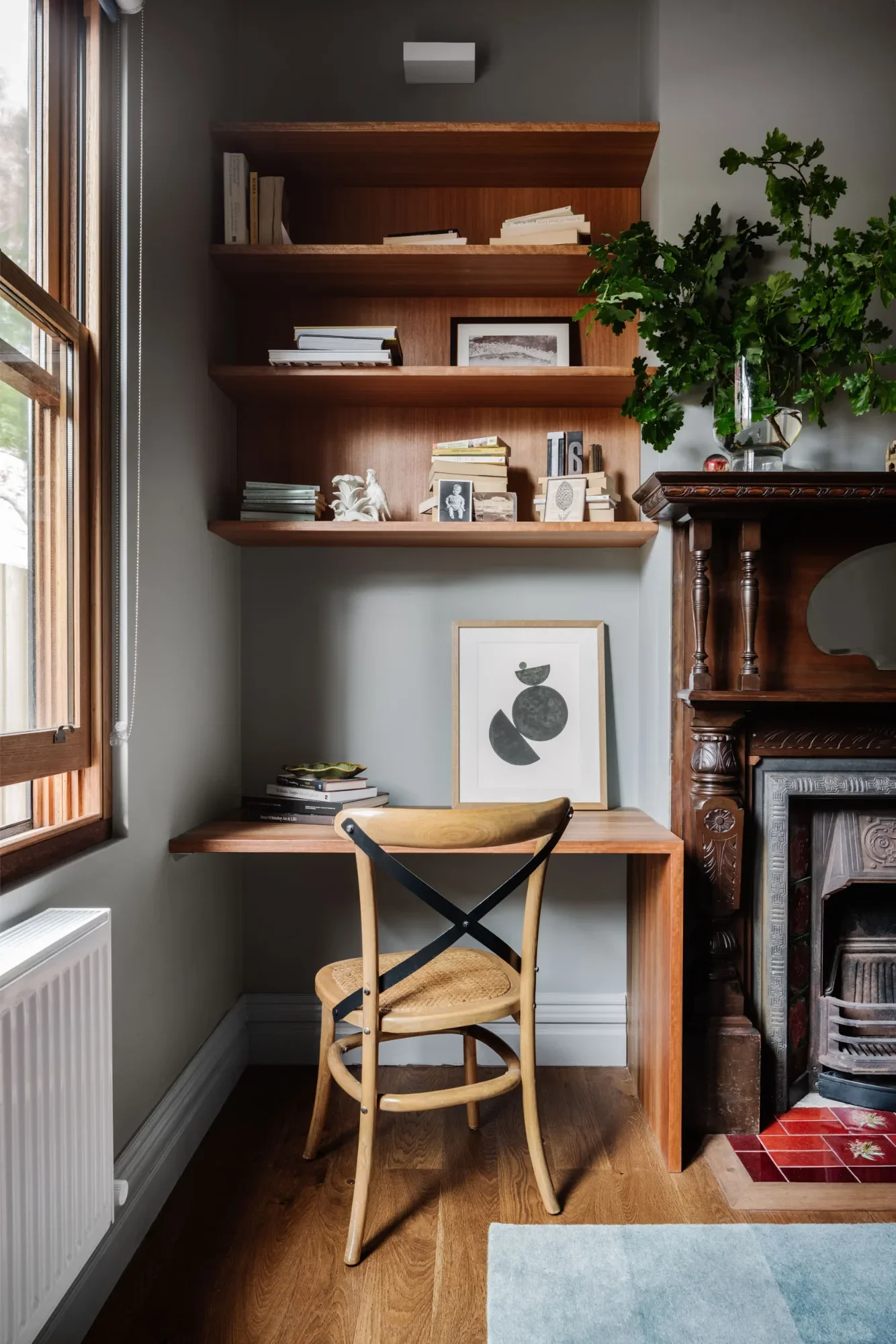
Then there's the part that doesn't show up in anyone's scope of works. I don't charge for an assistant, so the stylist is doing that job too: moving furniture, holding things, running the room ahead of me. And while I'm outside shooting externals in golden hour, they're putting the house back the way we found it. Your client comes home to their house, not to the aftermath of a photo shoot.
04 Styling is a large part of what gets a project published
I pitch client projects to magazines at no charge, so I see which ones get taken and which ones don't.
Interiors have to be aesthetically pleasing to be published. However unfair that is on the architecture, it's true, and it's true of award entries as well, because the jury isn't coming to the site. They're looking at photographs.
A stylist gets the interiors as close as they can get to their best version. That's the difference between a project an editor can run across six pages and one they can't.
05 What comes included
A standard stylist day rate generally covers the smaller props: soft furnishings like cushions, throws and bed linen, botanicals and vases, kitchen props like fresh produce and ceramics.
Large items – tables, chairs, sofas, rugs, artwork – usually aren't. They involve substantially more pre and post-production work plus courier fees, so they're organised separately, at a higher fee and with more lead time.
It rarely comes to that. Most of my shoots work with what's already in the house. Occasionally we'll bring a side chair or a set of bar stools if they're borrowed and they fit in a car, or the architect brings something from home. Hiring in a dining table and a sofa and getting them couriered both ways is the exception, not the starting point. The option is there if a project needs it, and if it does, we talk about it early – particularly if the house is being photographed before the client has moved in, or before the furniture package has landed.
The stylists I work with borrow, source second-hand and use what's in season rather than buying in a van full of new things for one day's shoot.
06 Who books it and what it costs
I book the stylist. The first thing we do is get a date in the diary that works for both of us, because good stylists can book out further ahead than photographers do.
The styling fee sits outside my photography fee. It's also included in the cost-sharing option, so if three parties are sharing the shoot, they share the styling too, which brings it down to something very manageable each.
Landscape designers sharing a shoot are exempt from the styling cost. The stylist isn't really working outside, beyond the occasional outdoor dining table or pool chair.
If your client has a stylist they always use and want to use, that's completely fine by me. I have a couple I work with most often and I'm happy to bring one of them, but it's not a closed shop.
The one exception: if an interior designer is one of the parties engaging me, they can do the styling themselves, and some do. Others would rather be a client for the day – direct the shots, have an opinion on the cushions, and not be the one lugging them in from the car. Completely fair. We just work out who's doing what before the day.
07 What I need from you before the day
One thing, right at the start of booking. Either film it yourself or ask the homeowner for it:
a video walkthrough of the interior
a video walkthrough of the exterior
That's it. It tells us what we're working with, and it's the most useful thing the stylist can have in front of them when they're deciding what to bring.
I can't overstate the difference the styling makes. It's an investment equally as important as the photography itself.
Start a conversation about your project.
Keep reading
Explainer
Cost sharing, explained
How architects, builders, designers and suppliers split a shoot’s creative fee and save 20 to 60% each. The model, the maths, one page.
Guide
Prepare your project for photography
When to shoot, why landscapes need a season to establish, what a stylist actually does, and the checklist I send every client.
Guide
CHOOSING THE RIGHT PHOTOGRAPHER FOR YOUR ARCHITECTURAL SHOOT
What to ask, what to compare, and how to tell whether someone actually understands performance.
Article
WHY I ONLY WORK WITH A STYLIST
Why styling is as important an investment as the photography, and what is actually changes.
NEWSLETTER
JOIN 1,000+ BUILT ENVIRONMENT BUSINESSES
Creating a Regenerative Future.
Three Neat Things, every two weeks - running a business with impact, weaving nature into
projects, and designing places that restore. Quick to read, unapologetically focused on impact.
Plus 30% off your first print when you join.