
Explainer
FOR YOUR PROJECT · 7 MIN READ
COST SHARING, EXPLAINED
How the architect, builder, designer and suppliers split one shoot and save about 20 to 60 percent each. Everyone gets their own licence.
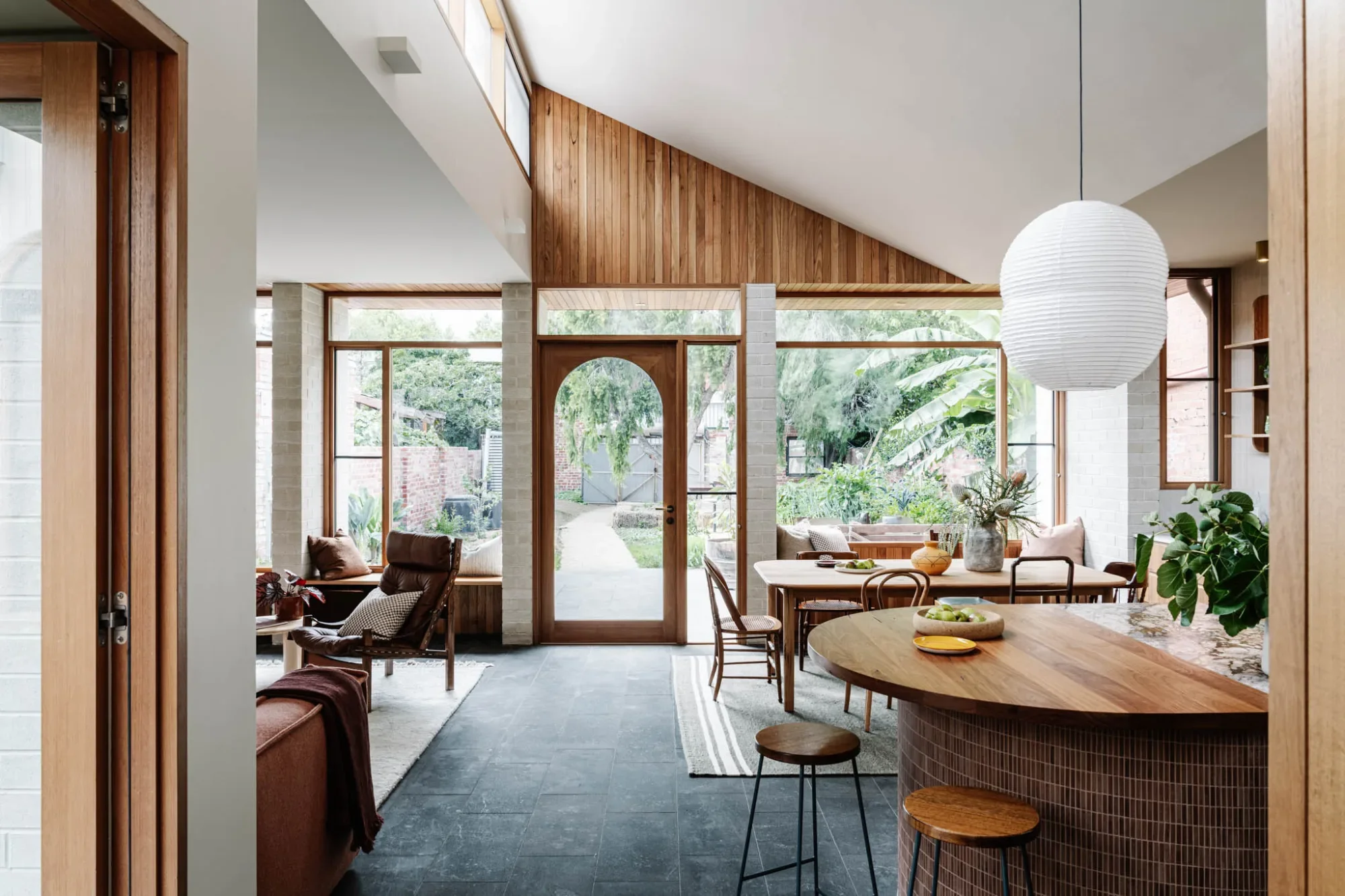
You don't have to pay for the shoot on your own.
Most of my projects are split between two, three or four of the people who worked on the project. The architect, the builder, the landscape designer, the joiner or window manufacturer. Everyone gets their own set of images and their own licence. This is how it works.
01 What gets split, and what doesn't
A quote from me has two parts. The creative fee covers the shoot itself – pre-production, the day on location, and the editing. The licensing fee covers your right to use the pictures.
The creative fee divides equally between everyone sharing. The licensing fee doesn't, because a licence isn't a thing you can cut in half. Each party pays it in full, and each party gets their own perpetual licence in their own name.
That's the whole model. Nobody gets a smaller shoot – just a smaller bill.
“Nobody gets a smaller shoot – just a smaller bill.”
02 What it saves you
I'd rather not publish rates on a page that will date anytime I change them, so here are the ratios instead. They're worked from the package I book most often, the one that covers a whole house in a full day.
SHARING
CREATIVE FEE EACH
LICENCE FEE EACH
YOU PAY
YOU SAVE
On your own
Full
Full
100%
–
Two parties
Half
Full
67%
33%
Three parties
A third
Full
56%
44%
Four parties
A quarter
Full
50%
50%
On your own
Creative fee: full · Licence fee: full
You pay 100%
Two parties
Creative fee: half · Licence fee: full
You pay 67% · You save 33%
Three parties
Creative fee: a third · Licence fee: full
You pay 56% · You save 44%
Four parties
Creative fee: a quarter · Licence fee: full
You pay 50% · You save 50%
It keeps going past four, in smaller steps. Across all my packages the saving lands somewhere between about 20 and 60 percent, depending on package size and how many of you there are.
Look at the third column, because it's the one that can catch people out. Four parties doesn't mean you pay a quarter. The licence doesn't divide, so the creative fee is the only part that shrinks.
03 The stylist is a separate cost, and it's shared too
I don't shoot architecture without a stylist, unless one of the parties is an interior designer themselves. Read why I only work with a stylist →
It sits on my quote as its own line so you can see exactly what it is, but it isn't my fee and it isn't my invoice – the stylist will bill you directly.
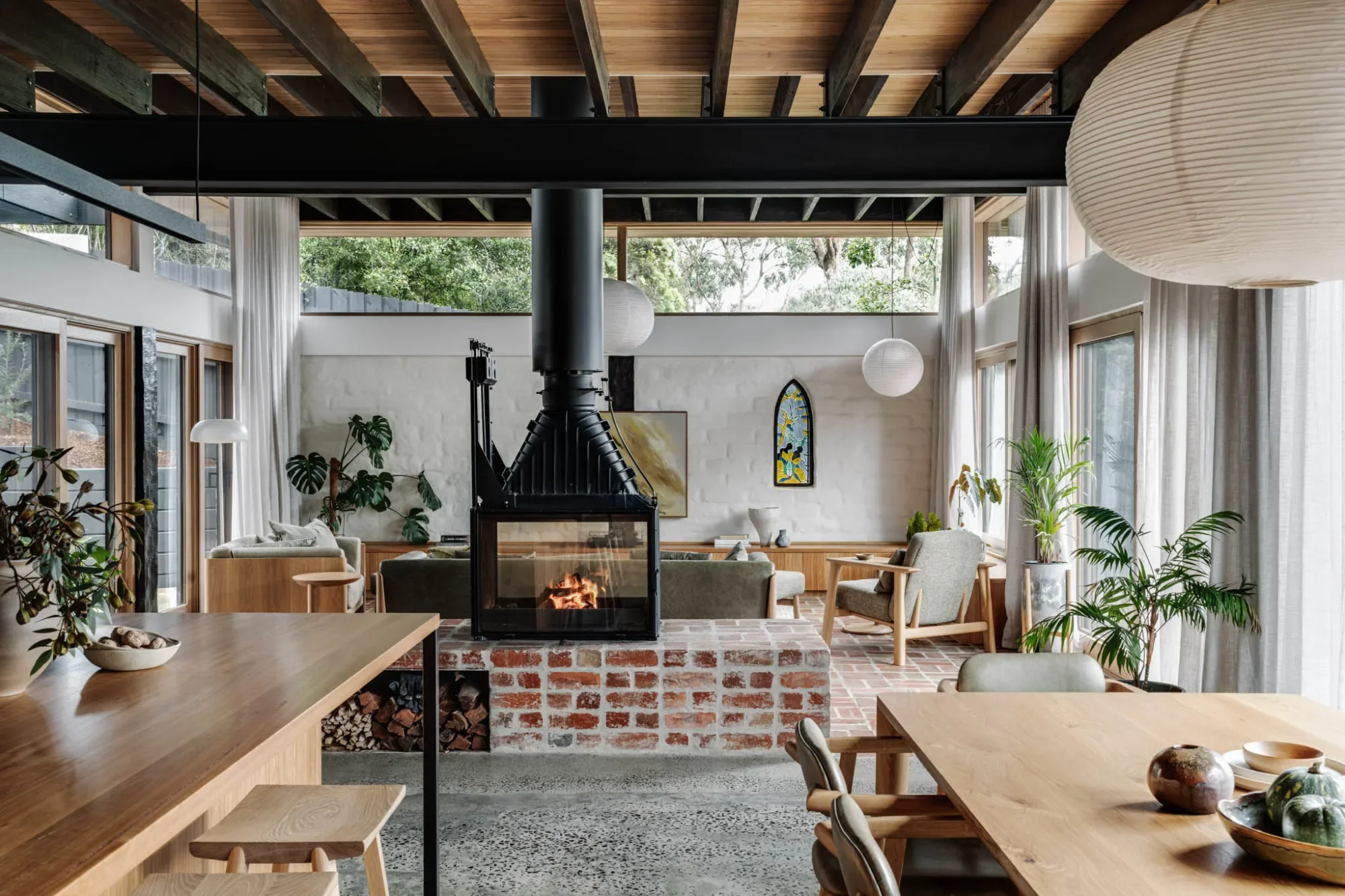
It splits the same way mine does. Four parties, a quarter each. For that you get somebody working ahead of me all day – decluttering, propping, bringing linen and ceramics and botanicals, knowing what to add and what to take out of every room – so I'm dealing with light and composition instead of moving a wheelie bin.
04 What each party gets
Everyone receives a core set of images that I curate – the hero shots, the ones the whole team will want. Then each party chooses a smaller set of their own on top. So the builder takes the detail of the timber junction, the landscape designer takes the planting at golden hour, and the architect takes the one that goes in the awards entry. Same day, same shoot, different priorities.
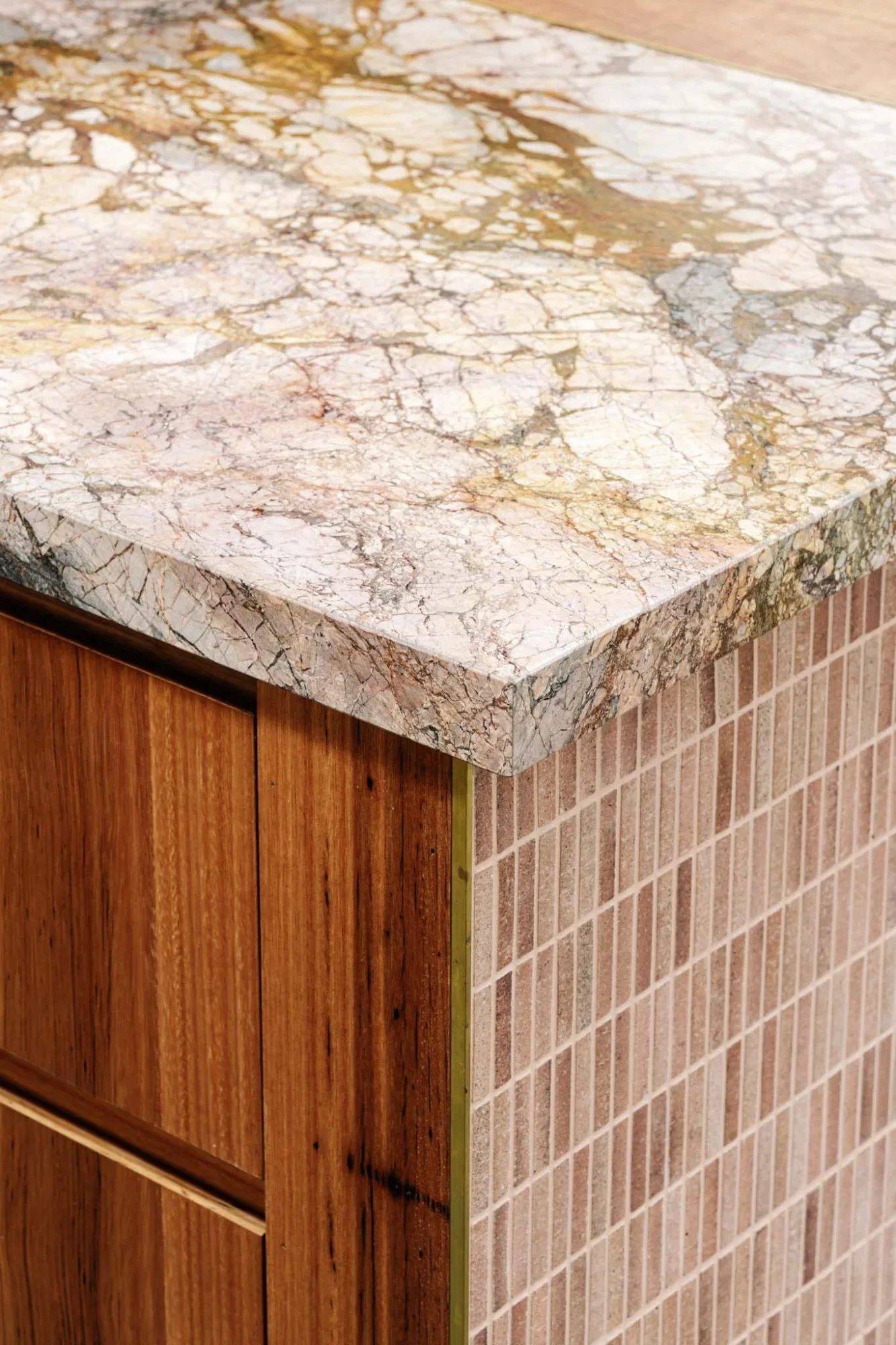
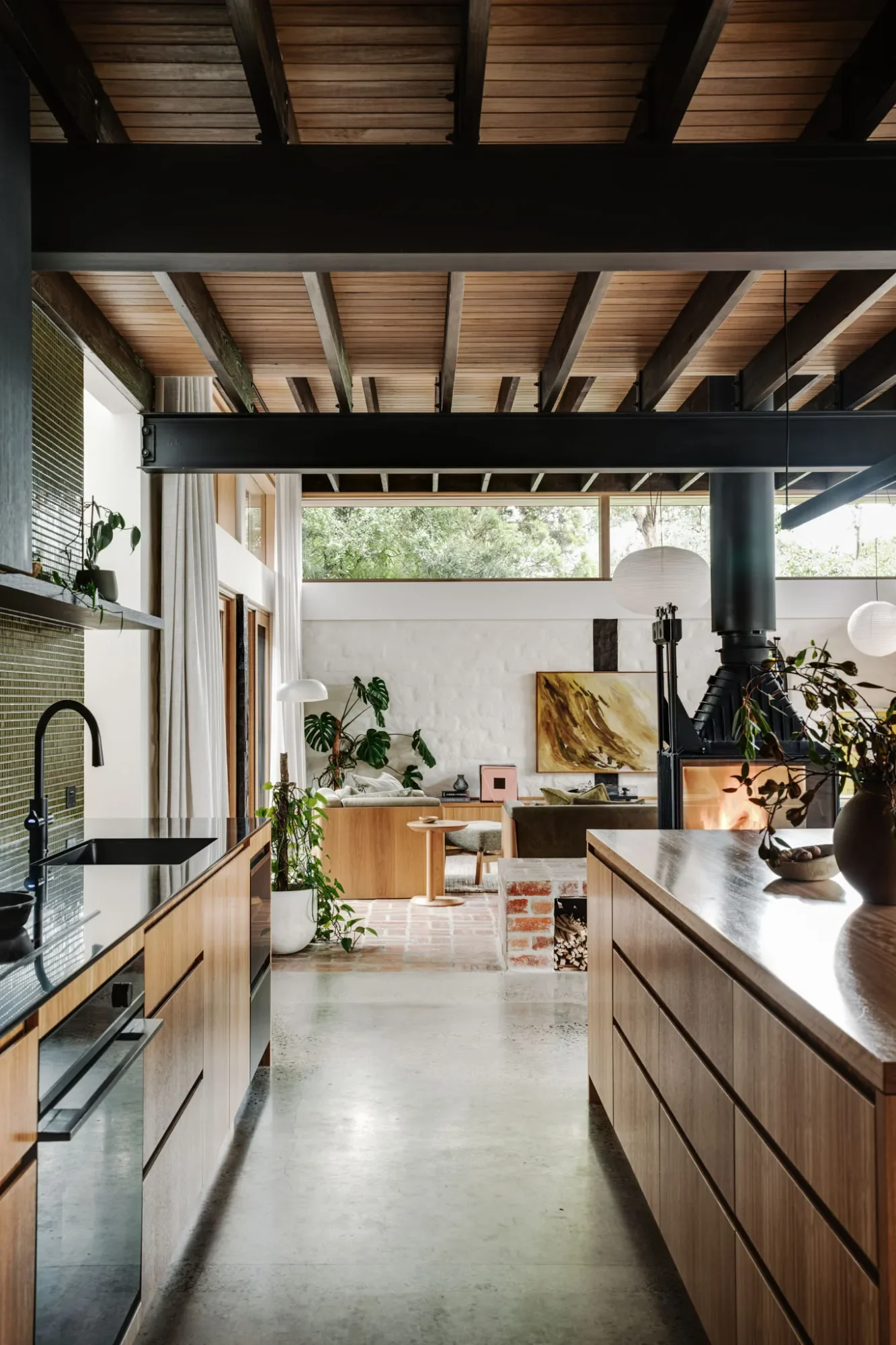
Where it's appropriate, I also pitch the finished project to Australian and international magazines at no charge (I am represented by an agency in Milan that does the overseas part for me), and everyone who shared the shoot goes in the credit list.
Publishing isn't for every project though. Some homeowners don't want their house in a magazine and that's ok, so it's a conversation that has to happen before the shoot rather than after. Ask them yourself if that's an easy call to make. If it isn't, copy me into an email with them and I'll take care of it.
The homeowner gets a complimentary low-resolution licence for their own personal use. They've had a photographer, a stylist and half the design team wandering through their house for eight hours. They can have the photos.
05 Does anyone actually understand licensing?
Not in my experience, no. So here it is in the simplest terms I've got.
In Australia, copyright in a photograph belongs to the person who took it. Not the person who paid for it, and not the owner of what's in the shot. That's the default law under the Copyright Act 1968.
You already live with the same rule. Your client owns the house. The architect owns the drawings. The client can't hand that documentation to another builder and put a second house up down the road, and nobody finds that controversial.
Rule of thumb
Photographs work the same way. What you're buying isn't the photograph, it's a licence to use it.
Your licence covers anything that markets your own business. Website, social, printed marketing, project sheets and tender documents, award entries, press kits, email marketing. Australia, including online. This is a perpetual licence (i.e. forever – I won't come back in three years asking for more).
What it doesn't cover is passing the images on to somebody else. If your joiner puts your images on their website, they're marketing their business off a licence they haven't bought. This happens all the time, and almost never on purpose. It just doesn't occur to anyone that the photos aren't simply theirs now.
06 So why doesn't everyone just license the images afterwards?
Some of them should. It depends on how much of their product or their design is going to turn up in the images.
Cost sharing works best for the businesses whose work is in most of the images – the architect, the builder, the landscape designer, the joiner who did the whole building. If your work is in twenty of the thirty images, buying in at the start is far and away the cheapest way to get them.
Licensing afterwards suits the supplier who wants a handful of pictures (i.e. tap ware, tiles, light fittings, a single piece of furniture). They aren't in every shot and don't need to be, so they can choose individual images from the finished gallery and license those instead.
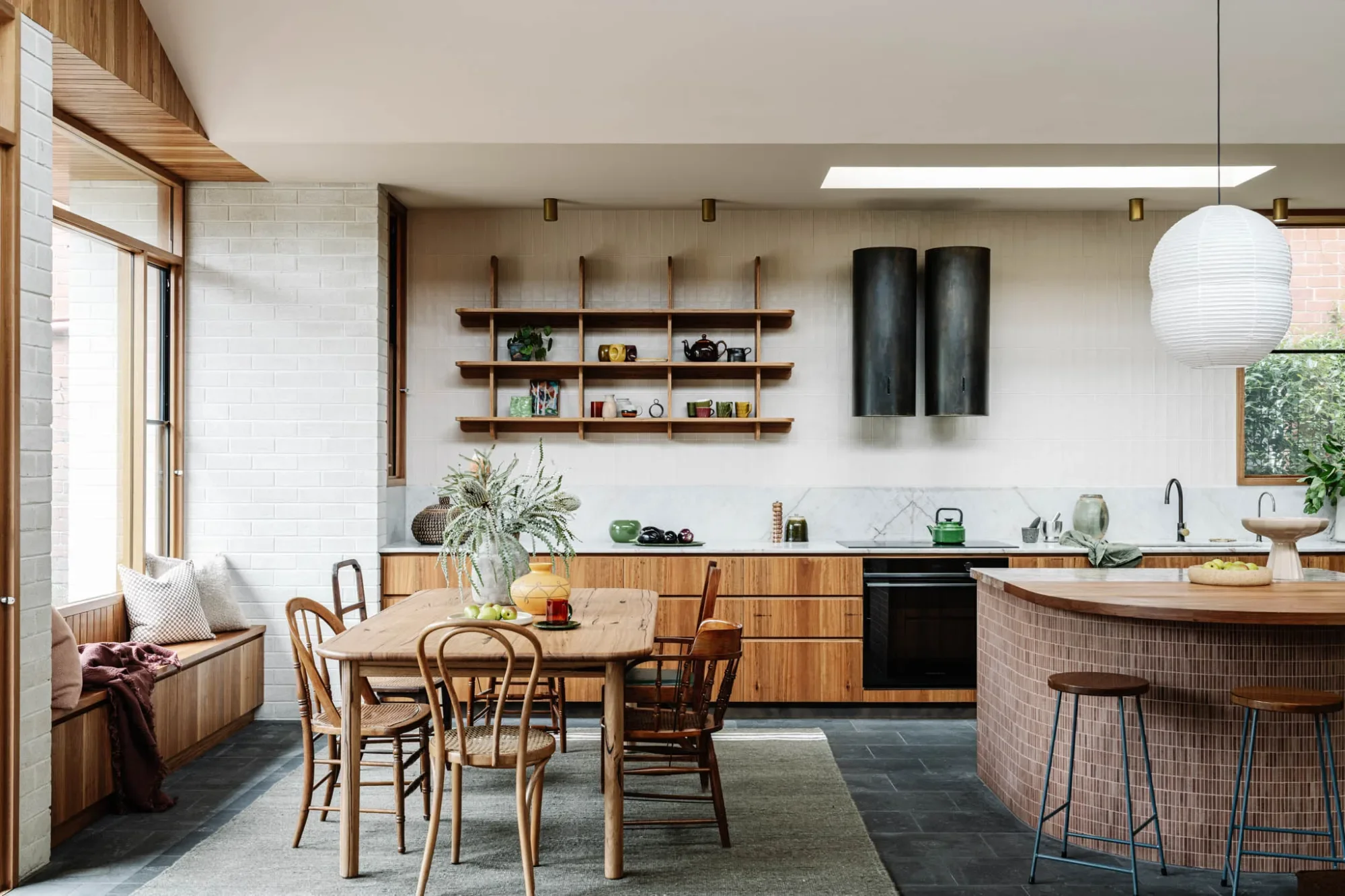
That costs more per image, and it should, as they carried none of the risk. They didn't book a date, pay a stylist, or watch the forecast all week hoping it didn't rain. They didn't have to trust that the photos would come out looking schmick. They're buying something finished, and they get to look at them first before they commit. That certainty is most of what they're paying for.
Which is exactly why cost sharing is such good value when your work is all over the project. You take on a bit of risk, and per image you pay considerably less than licensing them later would cost you. And when your suppliers do license images afterwards, a credit comes back to you. I set up the Project Credit Program for this reason, because the design team did the work that made the picture worth licensing in the first place.
07 Who counts as a party, and how to ask them
Anyone whose work or products are in the images and who wants to use them to market their business. Architect, builder, interior designer, landscape designer, joiner, engineer, and the product suppliers with something substantial in the project – windows, timber, insulation, cladding.
Almost nobody turns this down on price. They turn it down because they didn't know it existed.
There are two ways to do it – you can introduce me by email and I'll take it from there. Send me the list, cc everyone in, and I'll explain the model and follow up so you're not the one chasing the joiner for a decision.
Or do it yourself, in which case steal this:
Steal this
We're getting [project] photographed by Marnie Hawson in [month]. She runs a cost-sharing model, so the creative fee is split between whoever wants images and each of us gets our own full licence to use them. The more of us in, the less it costs each. Are you interested? Happy to put you in touch with her directly.
Either way, the number isn't locked in when you book. If another party joins late, everyone's fee is recalculated and everyone pays less. If someone drops out, it goes the other way. That's written into the quote, so you can keep asking right up to the shoot.
I invoice each party separately and each one signs their own agreement with me. Nobody chases anybody else for money, and nobody is on the hook for anyone else's invoice.
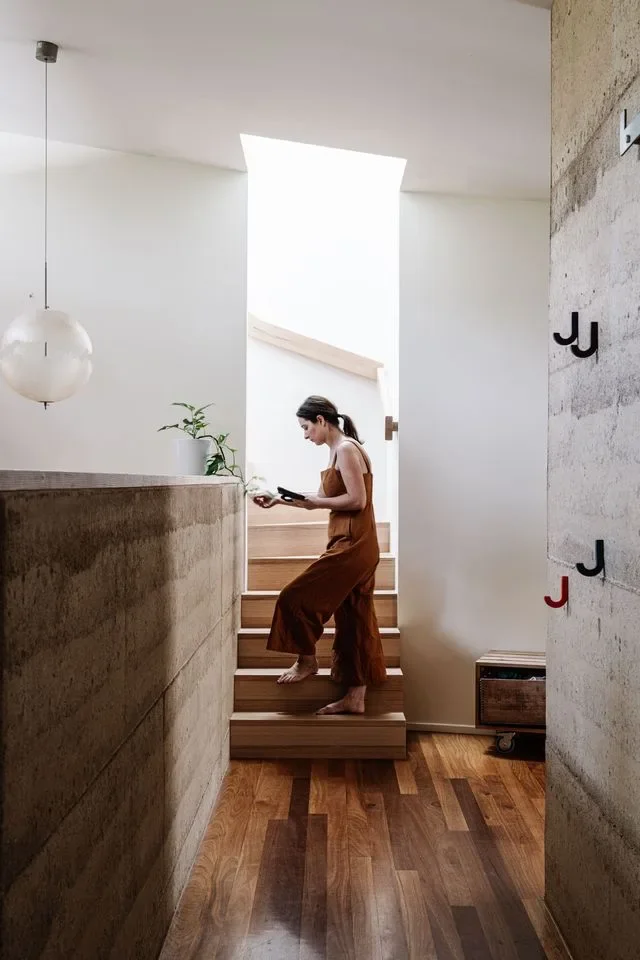
So – who else worked on your project, and would they want the photos?
Keep reading
Explainer
Cost sharing, explained
How architects, builders, designers and suppliers split a shoot’s creative fee and save 20 to 60% each. The model, the maths, one page.
Guide
Prepare your project for photography
When to shoot, why landscapes need a season to establish, what a stylist actually does, and the checklist I send every client.
Guide
CHOOSING THE RIGHT PHOTOGRAPHER FOR YOUR ARCHITECTURAL SHOOT
What to ask, what to compare, and how to tell whether someone actually understands performance.
Article
WHY I ONLY WORK WITH A STYLIST
Why styling is as important an investment as the photography, and what is actually changes.
NEWSLETTER
JOIN 1,000+ BUILT ENVIRONMENT BUSINESSES
Creating a Regenerative Future.
Three Neat Things, every two weeks - running a business with impact, weaving nature into
projects, and designing places that restore. Quick to read, unapologetically focused on impact.
Plus 30% off your first print when you join.